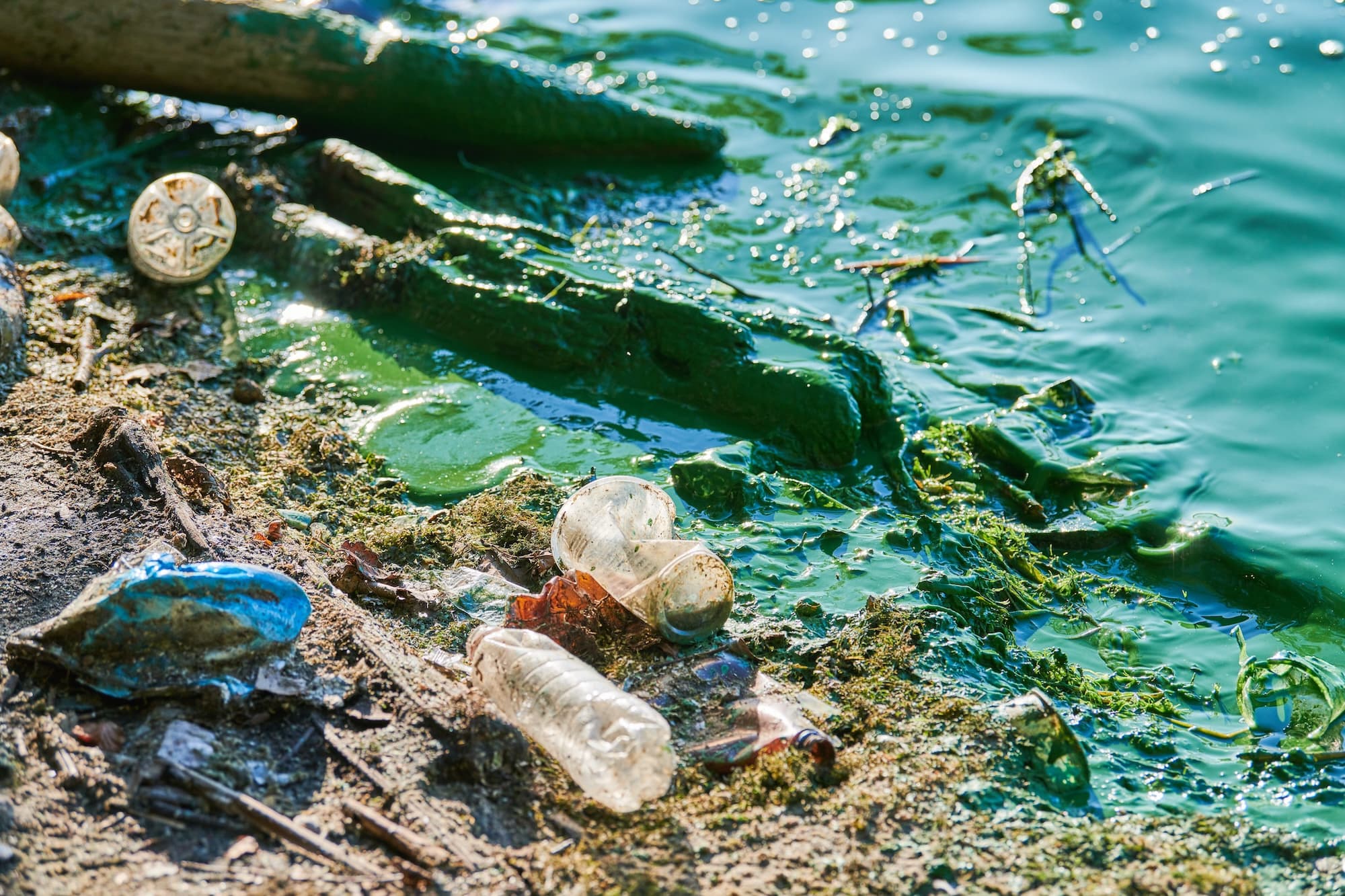
Uncontrolled littering of plastic waste is a global issue. At least 33% of the world’s municipal solid waste is not managed in an environmentally safe manner, with significant differences between countries, urban and rural areas.
It is usually caused by several factors, firstly a lack or insufficiency of waste management infrastructures and systems. Inadequate policies or the lack of enforcement of existing regulations regarding waste management and plastic use exacerbate the problem, especially in the case of marine litter. Secondly, there is a lack of public awareness about waste management and disposal practices. Public awareness combined with interventions informed by behavioural science can help to change the way that plastic is viewed, used and managed as waste.
Plastic leakage in the open environment can be categorised into two sources: marine-based (e.g. shipping or fishing waste and litter coming from land) and land-based. Although the exact percentages are unclear, broad percentages are available in the literature and indicate that land-based sources of plastics are the biggest contributors.
Land-based plastic leakage, leading to accumulation on soil and the marine environment, can occur accidentally due to environmental factors or deliberately through poor waste management.
Biodegradable alternatives offer a promising solution to plastic pollution in the open environment in some specific contexts, as they can break down naturally under specific environmental conditions.
When properly managed, they decompose into harmless, natural components, thereby reducing the accumulation of plastic waste and the associated pollution. Currently, biodegradable plastics are efficiently degraded under optimized, controlled industrial facilities. However, littering is an uncontrolled event that results in the release of plastics and biodegradable plastics into the open environment, and current biodegradable plastics are designed to mineralize in a controlled waste management environment.
The term “open environment” refers to any environment, including agricultural and urban environments, with no or only minimal control over conditions that influence biodegradation. It excludes managed waste systems, such as industrial composting facilities. Biodegradability studies in open environments have been a growing area of research, driven by concerns about environmental pollution and the impact of non-biodegradable materials on ecosystems. The biodegradability of plastics has been a major focus, with researchers exploring the development of biodegradable plastics and assessing their performance in various environments. Importantly, current biodegradable plastics are not a solution for inappropriate waste management or littering. The use of biodegradable plastics in the open environment should be limited to specific applications for which reduction, reuse, and recycling are not feasible.