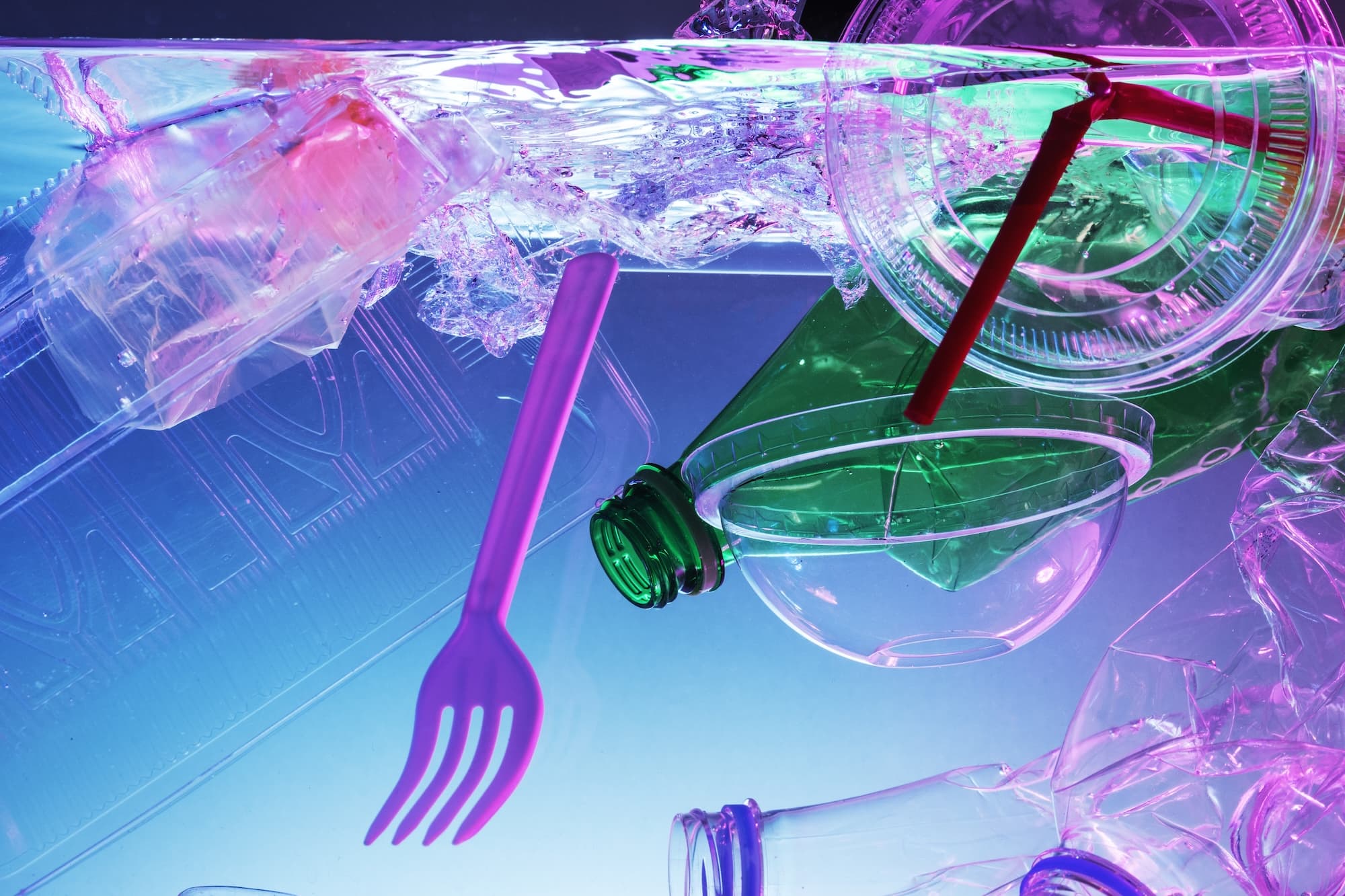
To address the challenge of plastic and microplastic pollution caused by the incomplete breakdown of biodegradable plastics in the open environment, MAGICBIOMAT aims to develop circular bio-based materials with programmed biodegradability in open environments demonstrated through two applications with highly concerning rates of littering.
Mulch films, representing around 86,000 t/year in Europe, for which 97% are fossil-based and nonbiodegradable. Even if technically recycled, the significant contamination (soil) and breaking leads to difficulties in collecting and transporting (+50% to 70% increase in weight due to soil contamination) and recycling, making it economically unfeasible to be managed and leading to on-site landfill and soil and water pollution.
Packaging accounts for 40% of global plastic waste generation and is currently one of the biggest sources of waste littering worldwide. Offering biodegradable materials for specific packaging applications can therefore be environmentally relevant to avoid plastic pollution. However, circular end-of-life (EoL) should be prioritized and incentivized (recycling, remanufacturing, and reuse), for which biodegradability may play an important role (for example, for coatings or multilayer materials).
To enable programming of biodegradability of the bio-based materials, MAGICBIOMAT will develop a trustworthy Artificial Intelligence (AI) 17-powered software to guide the design and manufacturing of novel materials according to application requirements (properties, manufacturing) and EoL needs and conditions, exploiting data from MAGICBIOMAT’s development and biodegradation tests, complemented with open access data. This tool will foster the adoption of novel bio-based biodegradable materials by the industry.